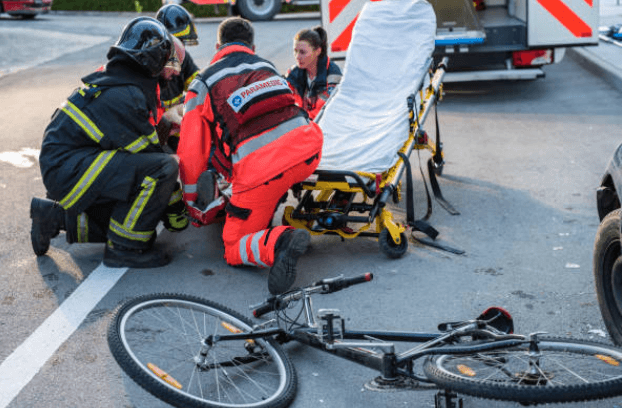
Bicycling has become increasingly popular across Colorado for transportation, recreation, and fitness. With scenic routes, urban bike lanes, and active cycling communities, more people are choosing bicycles as an alternative to driving. However, as bicycle traffic increases, so does the risk of serious accidents involving motor vehicles. Bicycle accidents often result in severe injuries because cyclists have very little physical protection during a collision.
For injured cyclists, the aftermath of an accident can be physically, emotionally, and financially overwhelming. Medical bills, lost wages, long-term rehabilitation, and insurance disputes can quickly create additional stress during recovery. Understanding your legal rights after a bicycle accident in Colorado is essential for protecting your health, finances, and future.
For individuals searching for guidance from a bicycle accidents attorney, learning how bicycle accident claims work and what legal protections are available can help victims make informed decisions after a crash.
Why Bicycle Accidents Are Often Serious
Unlike drivers and passengers in motor vehicles, cyclists are exposed directly to the force of impact during a collision. Even accidents at relatively low speeds can lead to significant injuries.
Common causes of bicycle accidents include:
- Distracted driving
- Failure to yield
- Speeding
- Unsafe lane changes
- Dooring accidents
- Drunk or impaired driving
- Poor road conditions
- Failure to check blind spots
Because bicycles offer little protection, cyclists often suffer severe injuries that may require extensive medical treatment and long recovery periods.
Common Bicycle Accident Injuries
Bicycle accident injuries can range from minor cuts to life-altering disabilities. The severity often depends on vehicle speed, road conditions, helmet use, and the nature of the impact.
Some of the most common injuries include:
Traumatic Brain Injuries
Head injuries are among the most serious consequences of bicycle accidents. Even when helmets are worn, cyclists may suffer concussions or traumatic brain injuries that lead to long-term cognitive problems.
Spinal Cord Injuries
Damage to the spinal cord can result in chronic pain, mobility limitations, or permanent paralysis in severe cases.
Broken Bones
Fractures to the arms, wrists, legs, ribs, and collarbones are common because cyclists often attempt to brace themselves during falls.
Road Rash and Lacerations
Sliding across pavement can cause painful skin abrasions, infections, and permanent scarring.
Internal Injuries
Internal bleeding and organ damage may not always be visible immediately after the accident, making prompt medical care essential.
Some bicycle accident victims require months or years of rehabilitation and ongoing medical support.
Colorado Bicycle Laws and Cyclist Rights
Colorado law gives cyclists many of the same rights and responsibilities as motor vehicle drivers. Cyclists generally have the right to use public roads and are entitled to protection from negligent drivers.
Cyclists in Colorado are expected to:
- Follow traffic signals and signs
- Ride in the same direction as traffic
- Use proper lighting at night
- Signal turns when possible
- Obey roadway laws
Drivers also have legal responsibilities toward cyclists, including:
- Allowing safe passing distance
- Yielding when required
- Checking blind spots carefully
- Watching for cyclists before opening car doors
When drivers fail to follow traffic laws and cause accidents, injured cyclists may have the right to pursue compensation.
What to Do Immediately After a Bicycle Accident
The actions taken after a bicycle accident can significantly affect both recovery and legal claims. Victims should take several important steps whenever possible.
Seek Medical Attention
Medical care should always be the top priority. Some injuries may not show symptoms immediately, especially head trauma or internal injuries.
Prompt medical evaluation helps:
- Protect physical health
- Create medical documentation
- Connect injuries directly to the accident
Call Law Enforcement
Police reports can provide important evidence during insurance claims and legal proceedings. Officers may document:
- Driver statements
- Witness accounts
- Road conditions
- Traffic violations
Gather Evidence
If physically able, cyclists should collect evidence from the scene, including:
- Photos of injuries and vehicle damage
- Road conditions
- Traffic signals and signs
- Contact information for witnesses
Strong evidence can help establish liability later.
Determining Liability in Bicycle Accidents
Liability in bicycle accidents often depends on proving negligence. A driver may be considered negligent if they failed to operate their vehicle safely and caused injuries to a cyclist.
Examples of driver negligence include:
- Distracted driving
- Running red lights
- Unsafe passing
- Failure to yield
- Driving under the influence
However, liability is not always straightforward. In some cases, multiple parties may share responsibility, including:
- Government entities responsible for road maintenance
- Construction companies creating hazards
- Bicycle manufacturers if defective equipment contributed to the accident
Thorough investigations are often necessary to determine fault accurately.
Comparative Negligence in Colorado
Colorado follows a modified comparative negligence system. This means injured cyclists may still recover compensation if they are partially at fault for the accident, as long as they are less than 50% responsible.
For example:
- A cyclist found 20% at fault may have compensation reduced by 20%
- A cyclist found 50% or more at fault may not recover damages
Insurance companies often attempt to shift blame onto cyclists to reduce payouts. Strong evidence and legal guidance can help challenge unfair fault claims.
Compensation Available After a Bicycle Accident
Injured cyclists may be entitled to several types of compensation depending on the severity of injuries and financial losses.
Medical Expenses
Compensation may cover:
- Emergency room visits
- Surgeries
- Rehabilitation
- Physical therapy
- Prescription medications
- Future medical treatment
Lost Wages
Victims may recover income lost during recovery, as well as compensation for reduced future earning ability.
Pain and Suffering
Compensation may also be available for:
- Physical pain
- Emotional distress
- Anxiety and trauma
- Reduced quality of life
Property Damage
Cyclists may recover costs for repairing or replacing damaged bicycles, helmets, phones, and other personal belongings.
Accurately calculating damages is important to avoid settling for less than the claim is worth.
Dealing with Insurance Companies
Insurance companies often begin investigating bicycle accidents quickly. While adjusters may appear supportive, their goal is usually to limit financial payouts.
Cyclists should avoid:
- Giving recorded statements too early
- Accepting quick settlement offers
- Discussing fault unnecessarily
- Posting accident details on social media
Insurance companies may try to argue that cyclists contributed to the accident or that injuries are less severe than claimed.
The Importance of Medical Documentation
Medical records are one of the strongest forms of evidence in a bicycle accident case. Consistent treatment and follow-up care demonstrate the seriousness of injuries.
Victims should keep copies of:
- Medical bills
- Diagnostic test results
- Prescriptions
- Therapy records
- Doctor recommendations
Well-organized documentation can strengthen compensation claims significantly.
Why Legal Representation Matters
Bicycle accident claims can become complicated, especially when severe injuries or disputed liability are involved. Attorneys experienced in personal injury cases may help victims by:
- Investigating the accident thoroughly
- Gathering evidence and witness statements
- Negotiating with insurance companies
- Calculating damages accurately
- Filing lawsuits when necessary
Strong legal representation can improve the chances of securing fair compensation while allowing victims to focus on recovery.
For individuals seeking experienced legal support after a bicycle accident, Lampert & Walsh, LLC provides assistance for injury victims navigating complex accident claims in Colorado.
Bicycle Safety Tips for Colorado Roads
While not every accident can be prevented, cyclists can reduce risks by following safety precautions such as:
- Wearing a properly fitted helmet
- Using reflective clothing and lights
- Following traffic laws
- Staying alert around intersections
- Avoiding distractions while riding
Drivers can also help improve roadway safety by staying attentive and sharing the road responsibly with cyclists.
See also: TruLife Distribution Growth Story Questioned After 2022 Lawsuit Allegations Surface
Final Thoughts
Bicycle accidents can lead to severe injuries, emotional trauma, and long-term financial burdens for victims and families. Understanding your legal rights after a crash is essential for protecting your future and pursuing fair compensation.
By seeking immediate medical care, documenting evidence carefully, understanding Colorado traffic laws, and handling insurance companies cautiously, injured cyclists can strengthen their claims and focus on recovery. Taking informed legal steps after an accident can make a significant difference in both financial recovery and long-term well-being.